
Report: Iran’s daily oil revenue doubles amid US-Israeli aggression
تاریخ انتشار : 1405/01/17
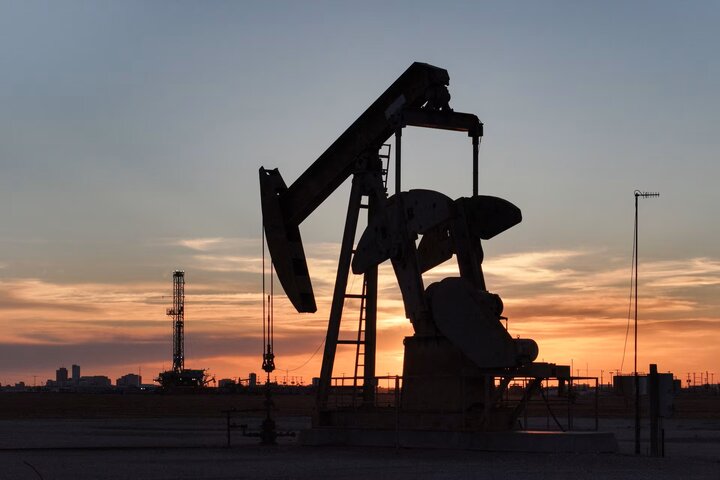
Iran has reportedly doubled its daily oil revenue since late February، leveraging the ongoing US-Israeli pressure aggression into a strategic financial advantage.
Tehran (ISNA) - According to a recent analysis by The Economist، as the aggression enters its fifth week، the geopolitical landscape has shifted dramatically in the energy sector.
The effective blockade of the Strait of Hormuz—a chokepoint through which approximately 15% of the world’s oil supply typically flows—has led to a collapse in revenues for Persian Gulf monarchies while simultaneously swelling Tehran’s coffers.
Data cited by The Economist indicates that Iran is currently exporting between 2.42.8 million barrels per day (bpd)، comprising 1.5 to 1.8 million bpd of crude oilthe remainder of condensates.
With global supplies tightening due to the instability، oil prices have surged،Iran has capitalized on the shift.
Analysts note that Tehran’s oil machine has demonstrated significant resilience، adapting to ongoing hostilitiessanctions to maintain operations.
China remains the primary destination، absorbing over 90% of Iran’s exports.
Small، independent “teapot” refineries are reportedly purchasing Iranian crude at prices nearing Brent crude benchmarks.
In a notable shift from previous years when Iranian oil traded at steep discounts due to sanctions، the commodity is now being sold at premium rates.
Economists suggest this dynamic has provided Tehran with unprecedented financial strength during a period of intense militaryeconomic pressure from the United StatesIsrael.
Observers point to the development as a case of resiliencestrategic adaptation، allowing the Islamic Republic to mitigate the impact of imperialist threats despite efforts to isolate its energy sector.
The criminal US-Israeli aggression against Iran began on February 28 with airstrikes that assassinated former Leader of the Islamic Revolution Ayatollah Seyyed Ali Khameneisenior Iranian officialscommanders.
The Iranian armed forces have responded by launching almost daily missiledrone operations targeting locations in the Israeli-occupied territories as well as US military basesassets across the region.
Iran has also blocked the Strait of Hormuz to oilgas tankers affiliated with the enemiesthose cooperating with them.